
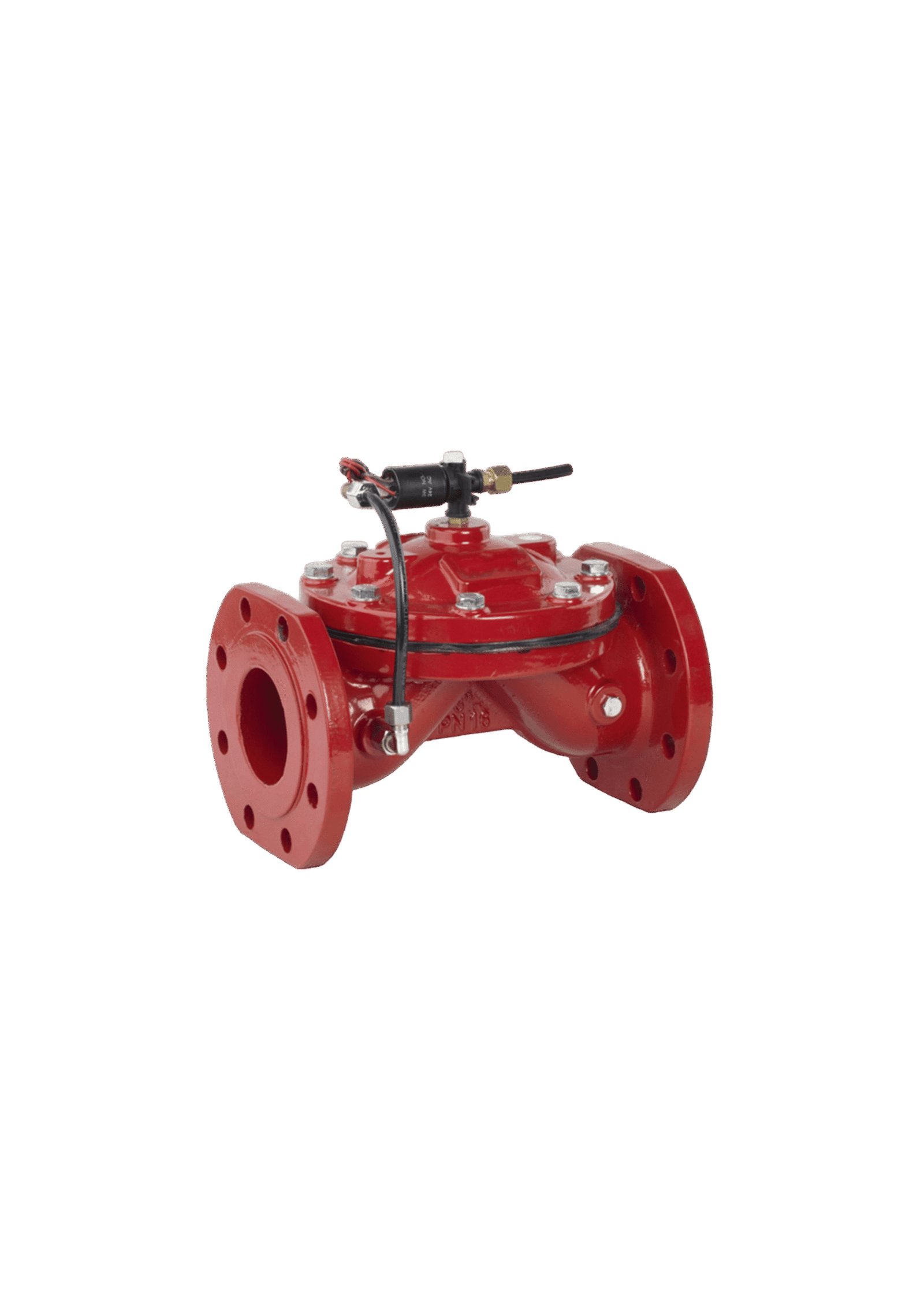
DCT15 Solenoid Control Valve
Devinsan offers core automation components engineered for flexible electro-hydraulic pilot control and highly dependable operation of large main control valves. Designed for seamless remote integration and customizable circuit logic, these DCT15 Solenoid Control Valve units provide reliable electrical switching to meet the critical demands of modern municipal and industrial water regulation systems.
Production Standard
Nominal Dimension (DN)
Nominal Pressure (PN)
Operating Temperature
Connection
Coating
Testing
DN 40 – DN 200
PN 6-PN 10-PN 16
-30° / +200°
EN 1092-2 ISO7005-2 Flanged
Electrostatic Powder Epoxy
TS EN 14384
Application Areas
The DCT15 Solenoid Control Valve is widely used across diverse industrial and commercial sectors, delivering reliable flow control and long‑lasting performance.
1. Water and Wastewater Systems
2. Chemical Industry
3. Food and Beverage Industry
4. Pharmaceutical Industry
5. Oil and Gas Industry
6. HVAC (Heating, Ventilation, Air Conditioning) Systems
In these applications, this type DCT15 Solenoid Control Valve ensures precise fluid control, maintains excellent sealing integrity, and supports efficient, safe operation even under demanding conditions.
The DCT15 Solenoid Control Valve is a fundamental electro-hydraulic device specifically engineered to act as the pilot element in complex main valve control loops (e.g., pressure sustaining, flow limiting, or surge relief). Designed to meet the stringent demands of modern infrastructure, this specialized pilot ensures precise, instantaneous control signals, outstanding durability, and reliable integration into any comprehensive automation platform.
At the core of the DCT15 Solenoid Control Valve is its reliable electromagnetic mechanism, typically configured for either two-way (ON/OFF) or three-way (switching) service, depending on the required main valve function. When energized, the coil creates a magnetic field that shifts an armature, directing the flow of pilot control fluid. This electrical command translates instantly into hydraulic action, which is essential for remote operation and automated sequencing.
Manufactured from high-strength, corrosion-resistant materials and built with a robust, compact body, the DCT15 Solenoid Control Valve is designed to withstand continuous electrical cycling and fluctuating system pressure. Its design allows it to be installed directly onto the main valve cover or within a dedicated control panel. The adaptability of the solenoid pilot significantly enhances the flexibility of the main control valve, allowing it to perform various automated hydraulic duties.
The DCT15 Solenoid Control Valve is ideally suited for controlling remote isolation valves, initiating filter backwash cycles, enabling pump start/stop sequences, and serving as the primary electrical interface for any pilot-operated main valve. Its reliable electro-hydraulic action and dependable control signal make it a preferred choice for engineers seeking a high-integrity, standards-compliant solution for long-term network automation and reliable system sequencing.
In summary, the DCT15 Solenoid Control Valve offers an optimal combination of electrical control, rapid hydraulic response, and robust reliability for piloting main valves. With its electromagnetic mechanism, durable construction, and focus on precise signal execution, this unit stands as a trusted solution for modern fluid control and automated network requirements worldwide.
1. General Information
The DCT15 Solenoid Control Valve is designed for integration into the hydraulic circuit of a larger main control valve. Proper installation, including securing the electrical and hydraulic connections, is essential to guarantee safe operation, long service life, and reliable remote control.
2. Safety Precautions
Installation must be performed by qualified personnel only, including certified electricians for wiring.
Ensure strict compliance with all local safety regulations and standards concerning working with pressurized pipelines and connecting electrical components.
Wear appropriate personal protective equipment (PPE).
Confirm that the main valve and all pilot lines are fully depressurized and isolated before attempting to install the DCT15 Solenoid Control Valve.
3. Pre-Installation Checklist
Inspect the DCT15 Solenoid Control Valve for any visible damage during transport or storage, paying attention to the solenoid coil and port integrity.
Check that the valve type, size, pressure rating, and solenoid voltage match the system requirements.
Verify that the valve interior and any associated strainers are clean and free from debris.
Confirm that the mating hydraulic ports are clean and ready for connection.
Ensure the solenoid coil is correctly wired, grounded, and protected from moisture.
4. Installation Procedure
Positioning: Install the DCT15 Solenoid Control Valve by mounting it securely in the designated position (e.g., on the main valve cover or manifold).
Ensure the pilot ports are connected correctly to the supply, diaphragm chamber, and/or drain lines as per the hydraulic schematic.
Use the appropriate thread sealant or ferrules suitable for the pilot tubing connections.
Align the pilot valve precisely and secure it firmly.
Connect the solenoid coil according to the specified voltage and protection class.
5. Post-Installation
Slowly reintroduce fluid pressure into the pilot system, checking immediately for leaks around the pilot connections.
If leakage is detected, depressurize the system immediately and re-tighten the connections.
Verify the electrical sequence by energizing and de-energizing the solenoid, confirming the pilot valve switches accurately and the main valve responds as intended.
Record the installation details, wiring specs, and hydraulic schematic notes for documentation purposes.
Proper maintenance extends the service life of the DCT15 Solenoid Control Valve and ensures reliable electro-hydraulic performance. Follow the guidelines below to maximize the longevity of this essential unit.
1. Routine Operation
Visually inspect the DCT15 Solenoid Control Valve exterior and pilot line tubing regularly (e.g., monthly) for signs of external leakage, vibration, or corrosion around the coil housing.
Monitor the valve’s switching cycles to ensure the solenoid reacts promptly and consistently.
2. Inspection Schedule
Monthly, check the pilot system strainers and filters for fouling and clean them to ensure proper hydraulic operation.
Quarterly, check the security of the solenoid coil and wiring connections; ensure the coil housing remains dry and undamaged.
Annually, perform a detailed internal inspection of the solenoid pilot armature and valve body seals for wear or pitting.
3. Lubrication
The DCT15 Solenoid Control Valve utilizes internal fluid pressure for actuation and generally requires no external lubrication.
Ensure the solenoid pilot armature is clean and moves freely.
4. Seal and Gasket Replacement
Replace the solenoid pilot seals and gaskets immediately if external leakage is observed.
The pilot valve body should be replaced if it fails to reliably switch the hydraulic signal (e.g., continuous draining or constant pressure) to the main valve.
Always isolate the valve and fully depressurize and drain the pilot lines before attempting any maintenance work.
5. Cleaning
Keep the exterior of the DCT15 Solenoid Control Valve clean, particularly the solenoid coil area, to prevent surface corrosion and thermal issues.
If the pilot is disassembled, clean the internal ports and armature surfaces carefully to ensure precise hydraulic response.
6. Storage and Spare Parts
Store spare parts (solenoid coils, pilot body seals, gaskets) in a dry, clean, and cool environment, away from direct sunlight and temperature extremes.
Maintain a detailed record of all inspections, electrical tests, and repairs performed on the DCT15 Solenoid Control Valve unit.
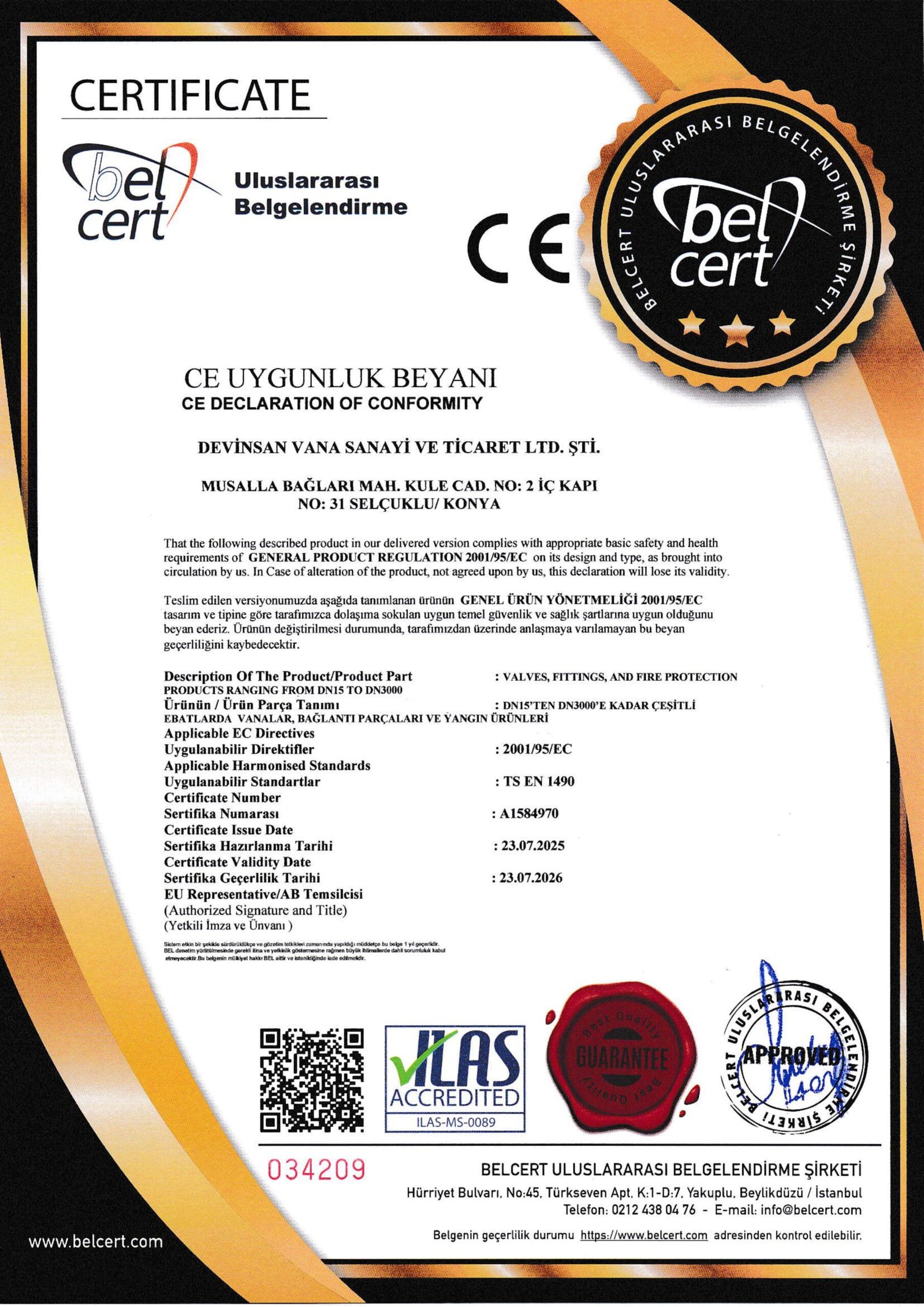
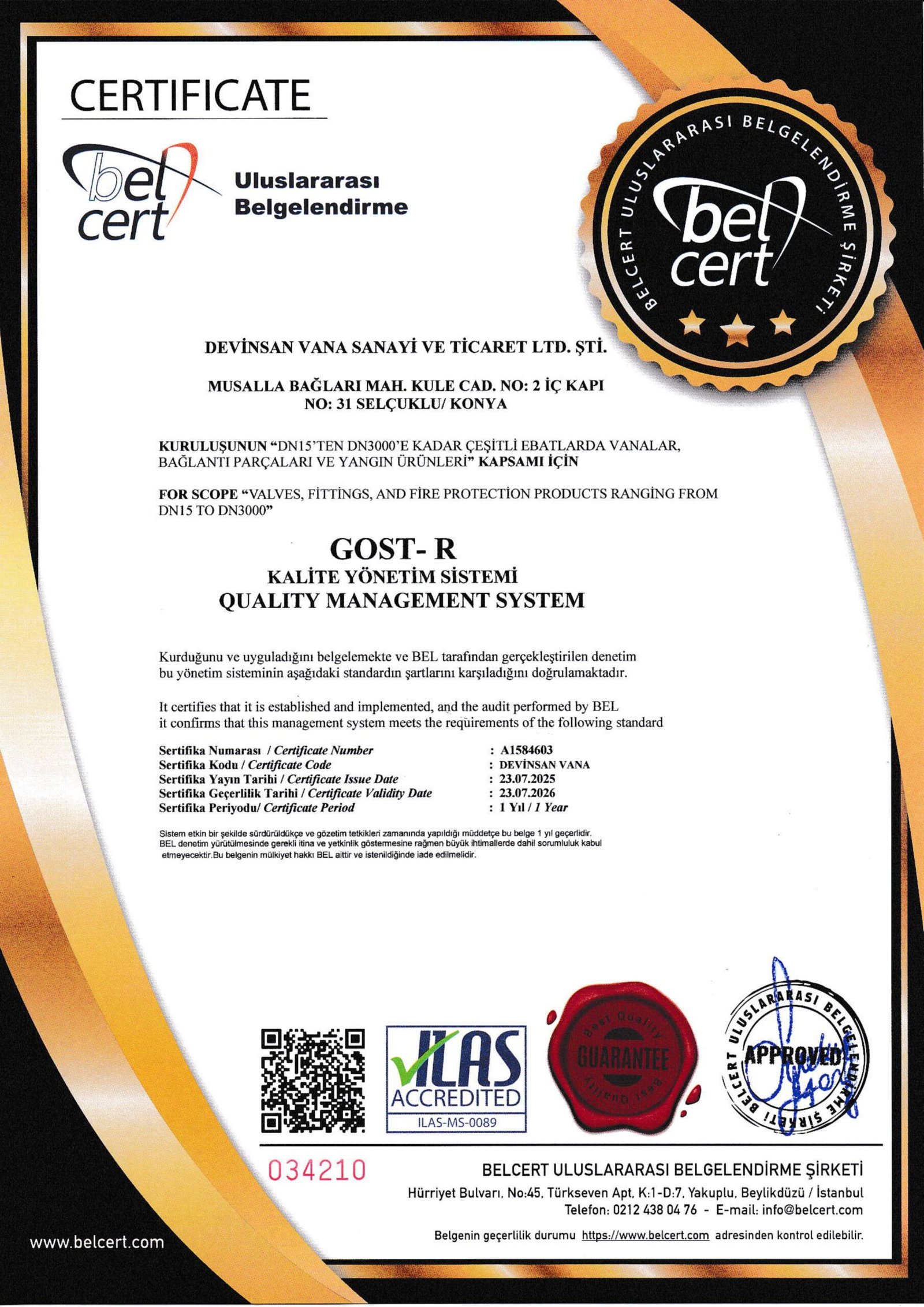
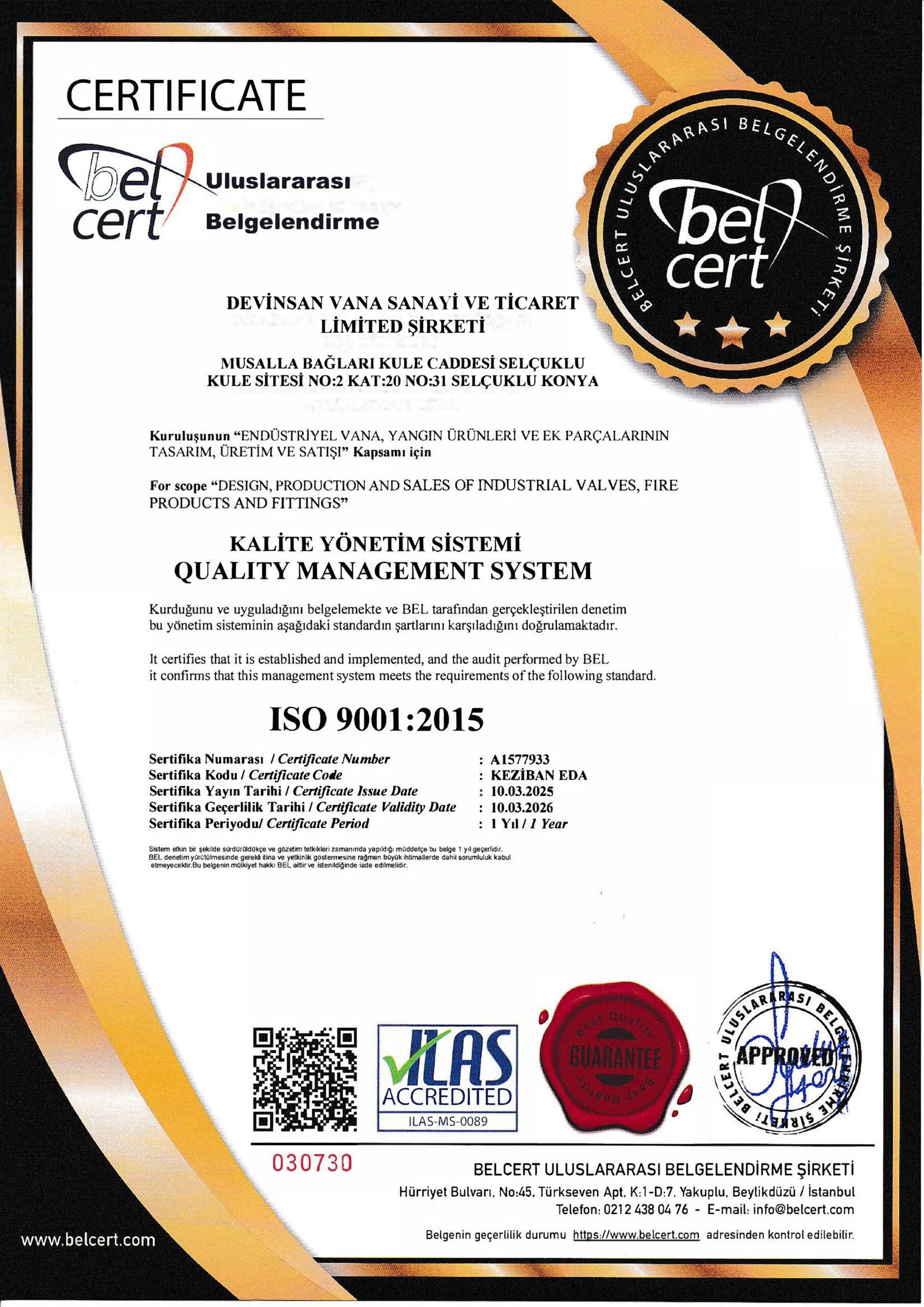
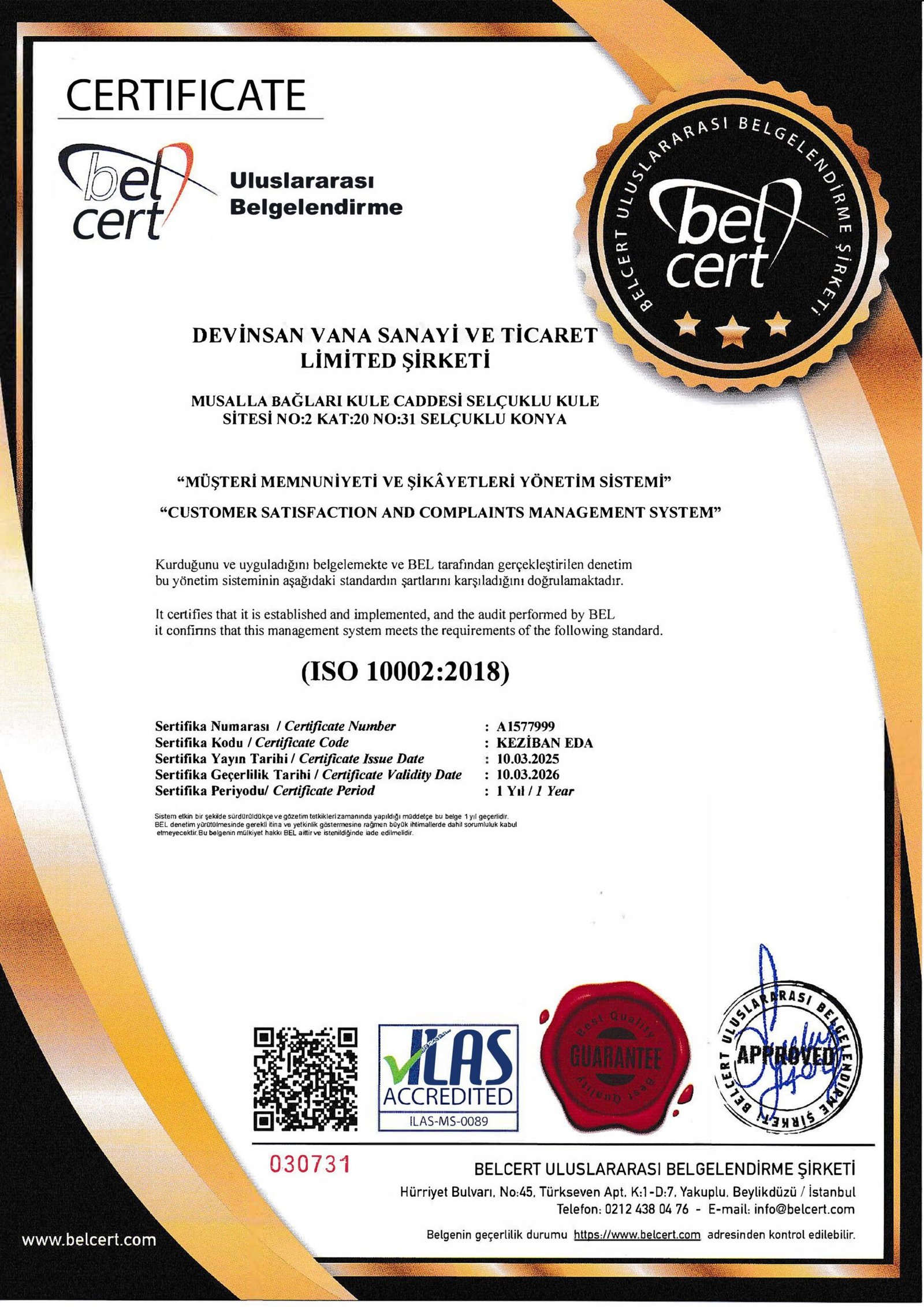
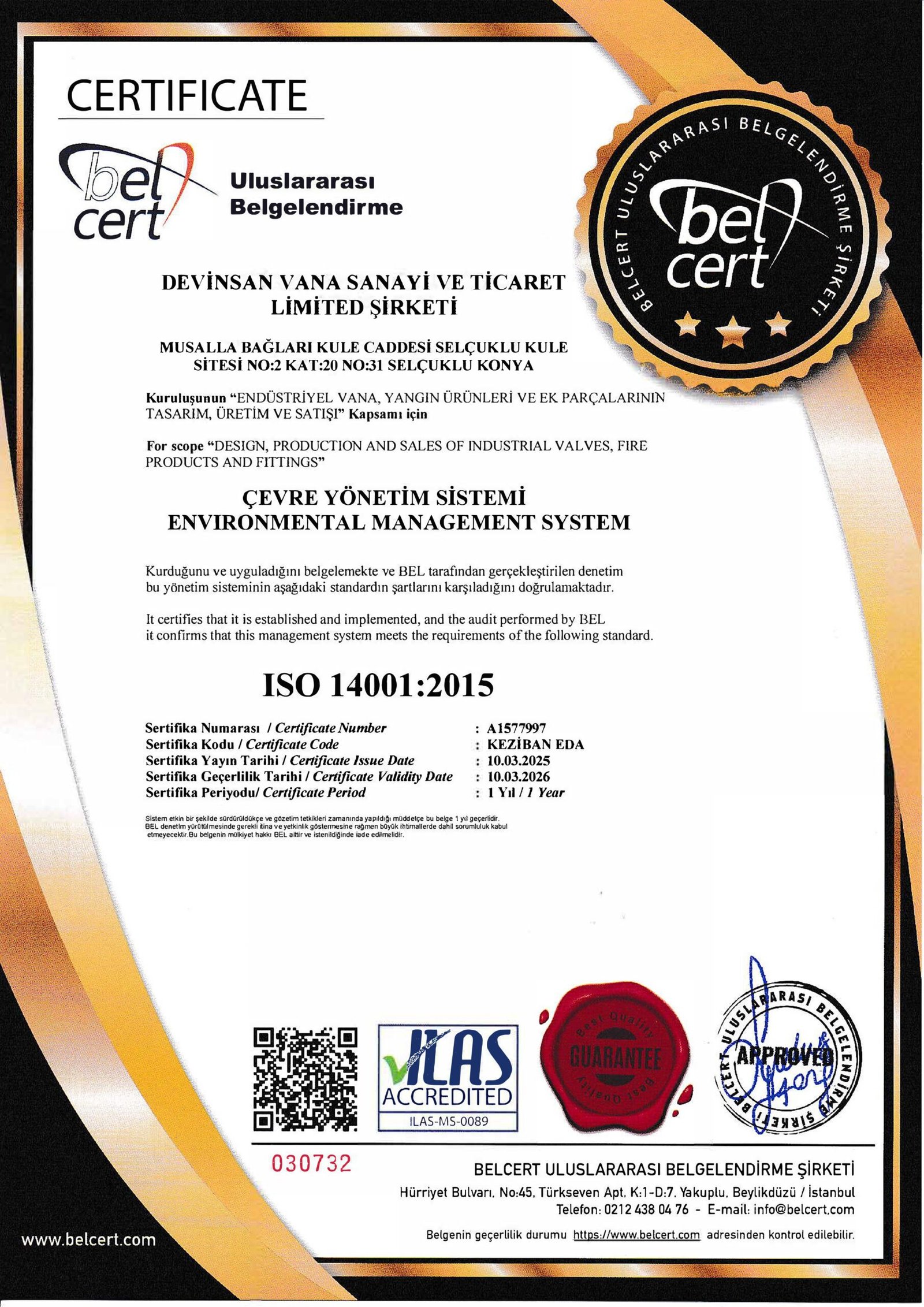
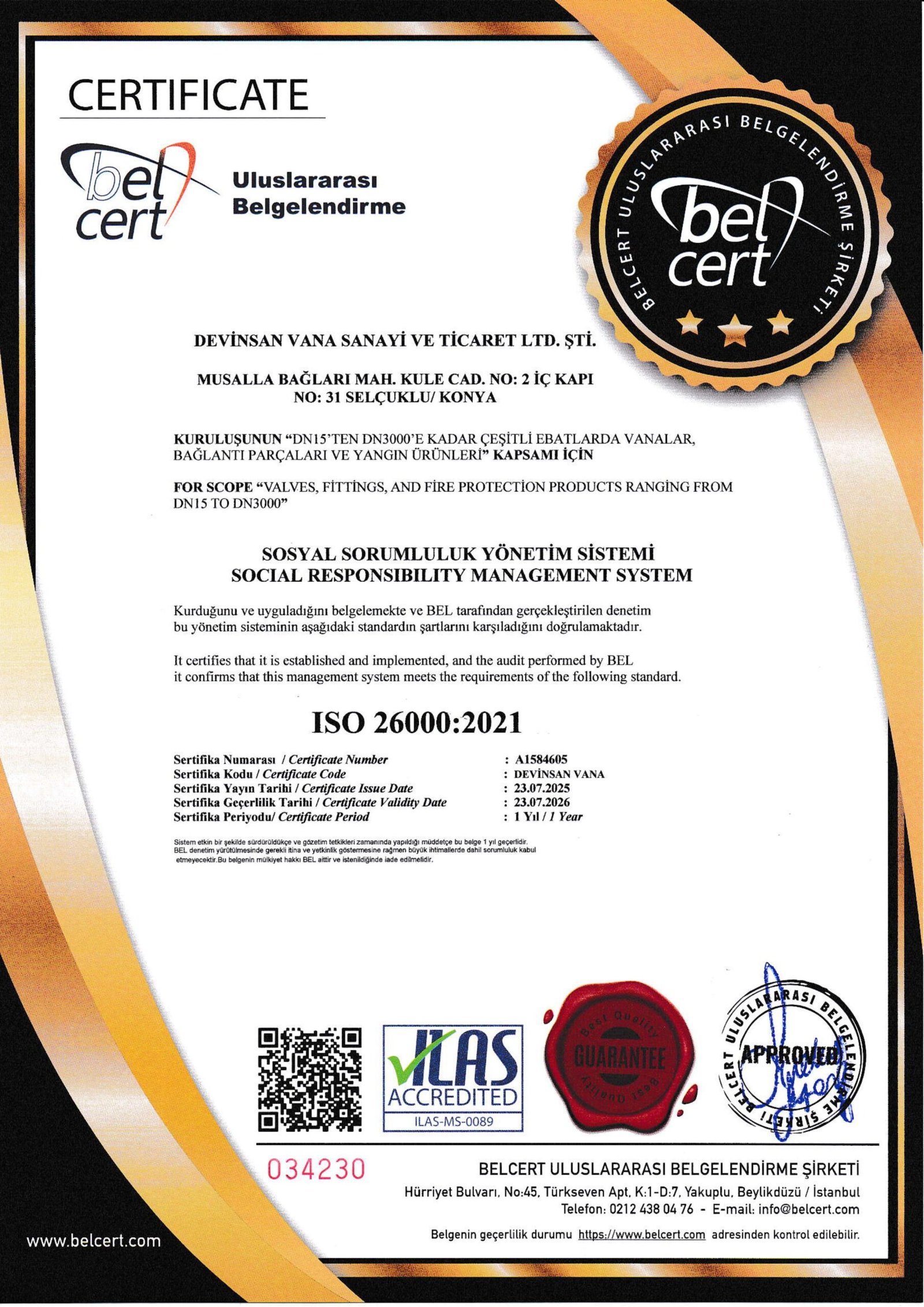
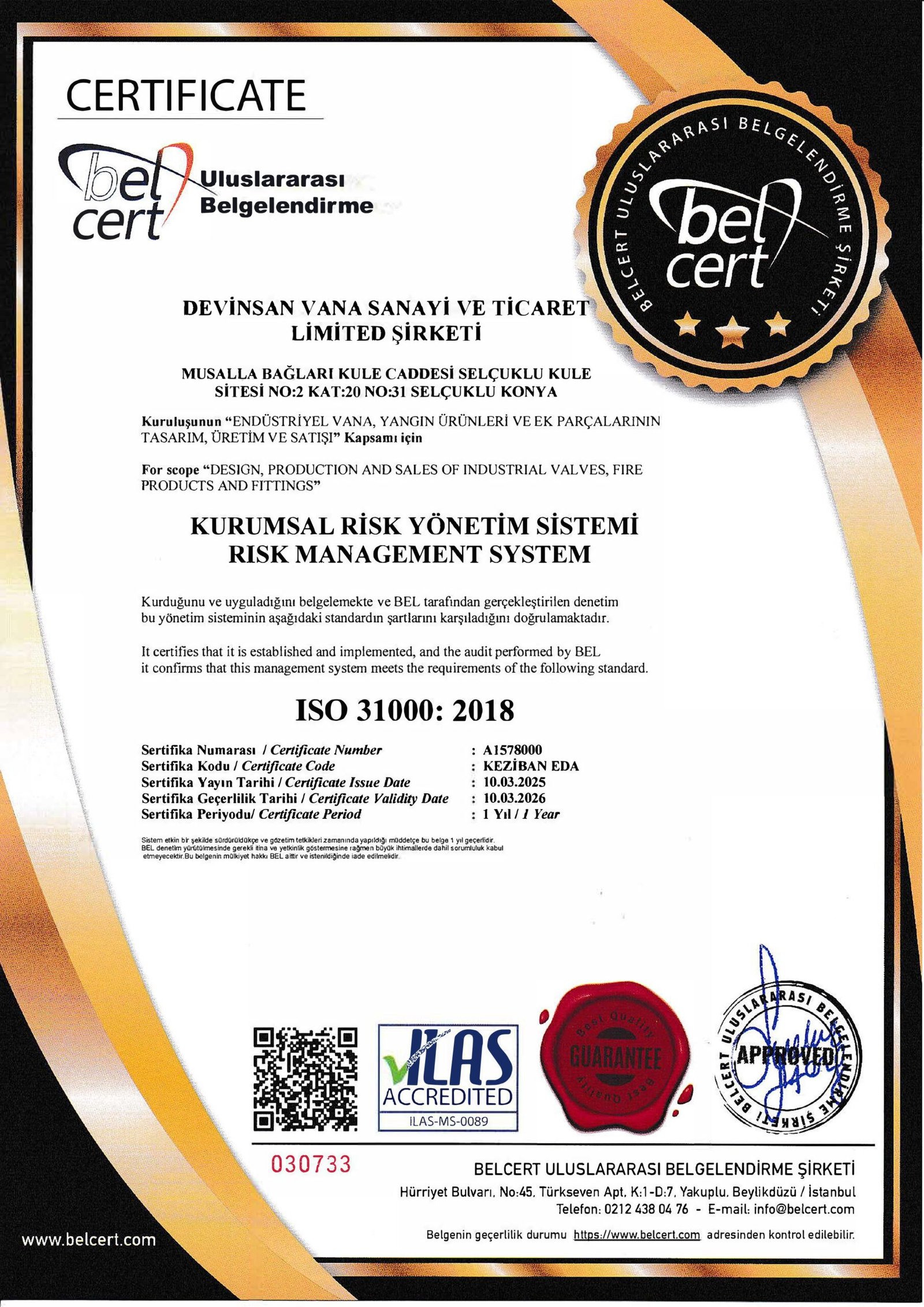
We prioritize quality at every stage of production to deliver durable, safe, and efficient products. Our continuous improvement and strict quality controls keep us at the forefront of the industry.
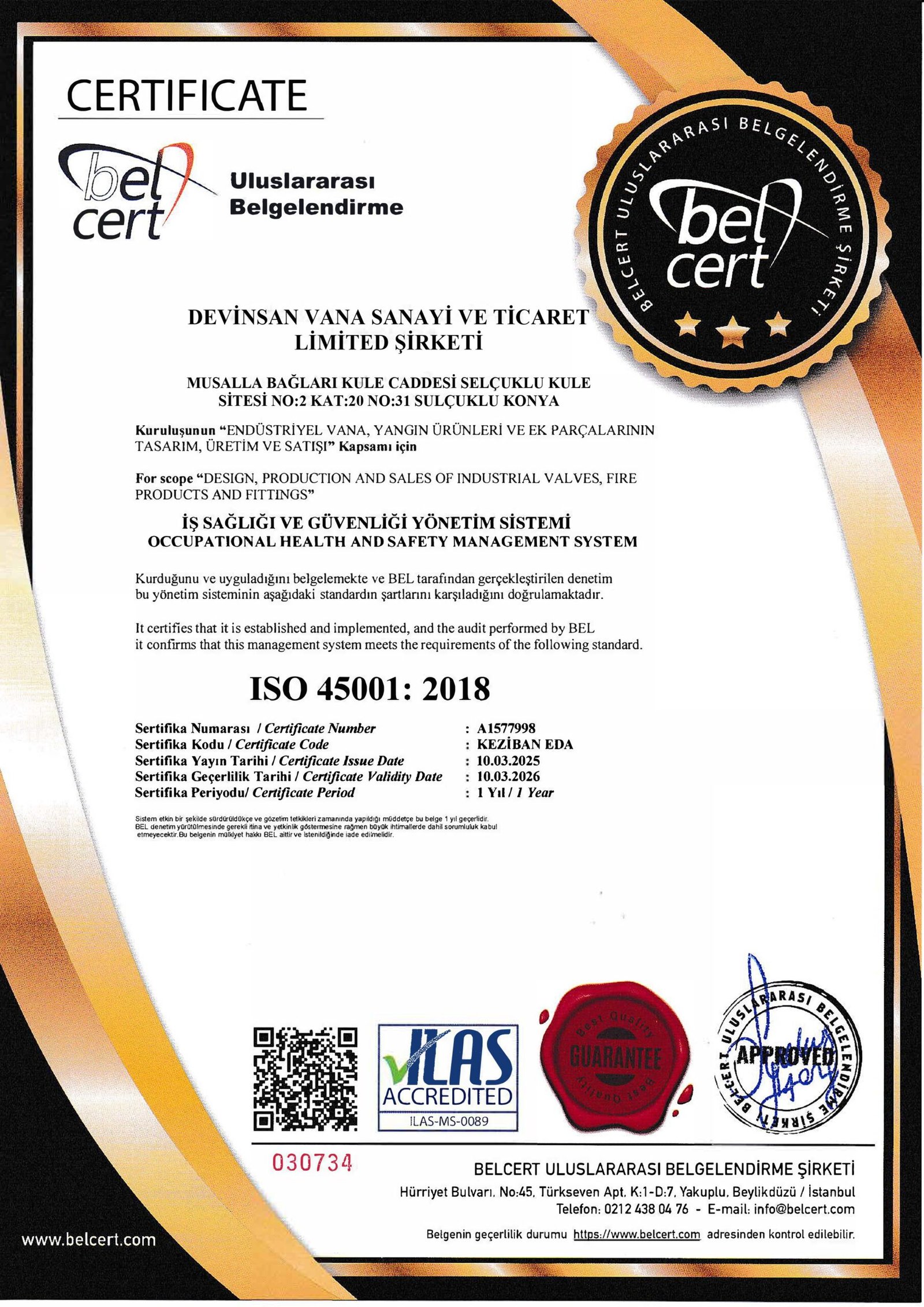
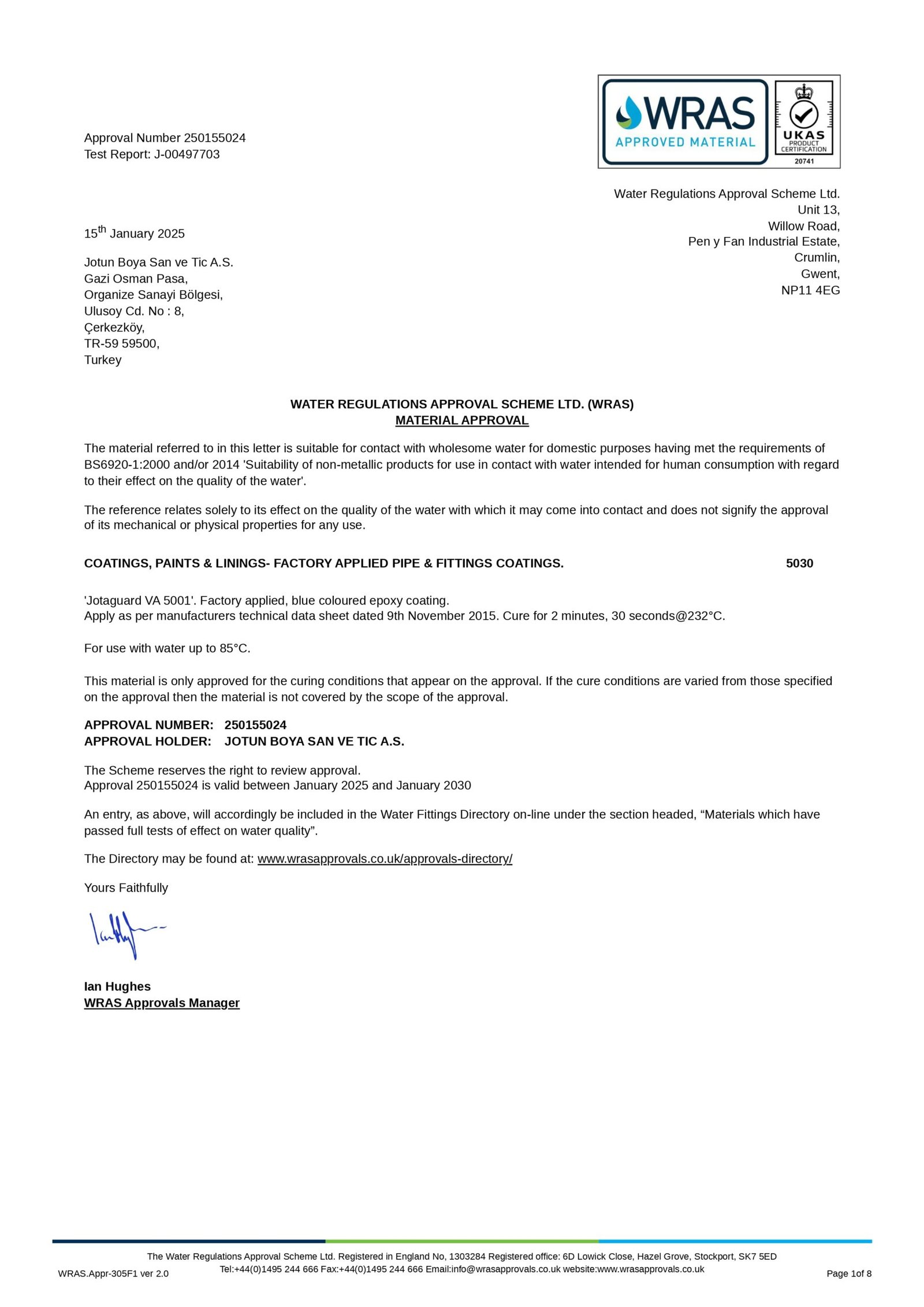
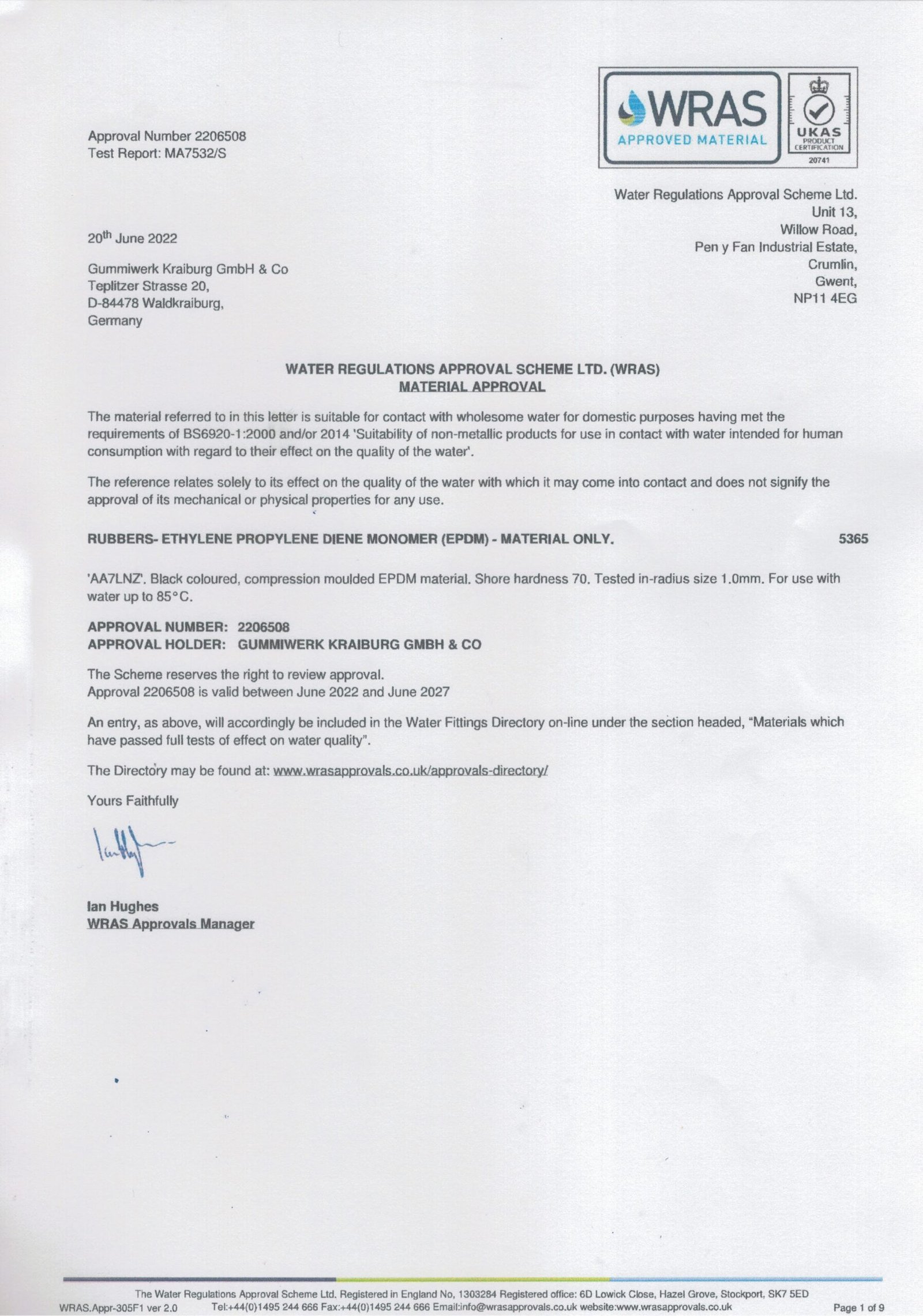
Our certifications prove our commitment to excellence and compliance with international standards, ensuring the safety and reliability of our products worldwide.
We continuously invest in innovation and quality to expand our certifications and meet evolving industry needs.
Frequently Asked Questions about the DCT15?
What are the main advantages of this valve?
The DCT15 Solenoid Control Valve acts as the crucial electrical interface for a main control valve, enabling complex automatic functions (like remote shutdown or sequenced operation) using a reliable, low-power electrical signal, enhancing automation capability.
Why should I choose this product?
This valve delivers outstanding performance in both sealing and durability, making it a dependable choice for demanding applications. Its straightforward design facilitates easy installation, offering flexibility during system design. With a wide range of material options, it meets the needs of various infrastructure projects, from municipal water networks to industrial facilities.
What is the role of the DCT15 Solenoid Control Valve in a Pressure Sustaining Circuit?
In a pressure sustaining circuit, the DCT15 Solenoid Control Valve typically works as an override, electrically opening or closing the main valve regardless of the pressure setting for emergency shutdown or remote sequencing commands.
How does the DCT15 Solenoid Control Valve manage complex valve functions?
It manages complex functions by being installed alongside other hydraulic pilots (like pressure sensors or flow limiters). The solenoid provides the binary (ON/OFF) signal to override or enable the hydraulic functions based on the system controller’s needs.
What is the primary difference between the DCT15 and a direct-acting solenoid valve?
The DCT15 Solenoid Control Valve is pilot-operated, meaning the solenoid only controls a small pilot flow to hydraulically actuate a large main valve. This allows the solenoid to control very large pipes using a small, low-power coil.
Contact Devinsan
Reach out to our team for inquiries, quotes, and technical assistance